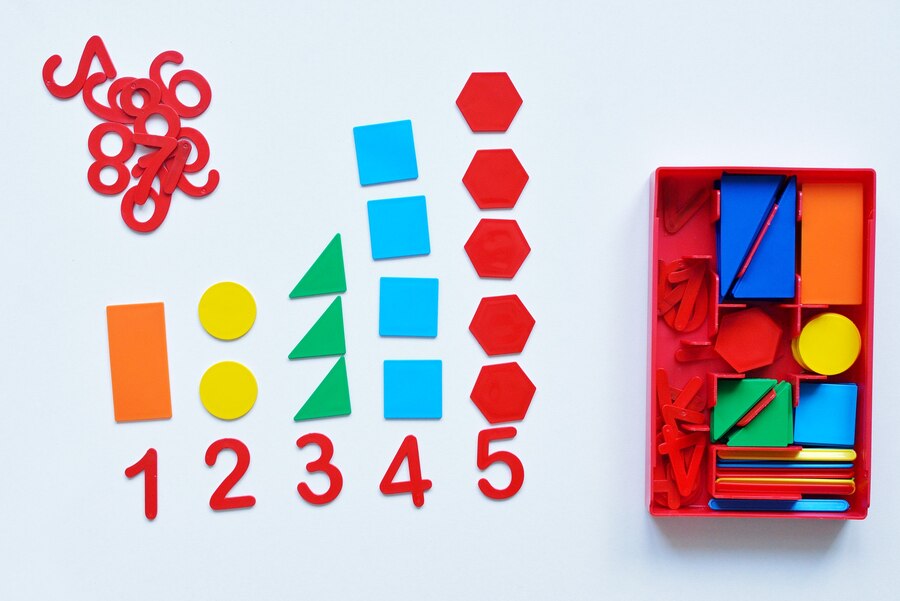
Math doesn’t need to feel hard or boring. Some of the best critical thinking exercises for kids use items you already have at home. Think of spoons, buttons, coins, or cereal boxes. These little things can turn into big ideas! With the right activity, kids can build strong practical math skills while having fun. These games help children ask questions, make choices, and try new approaches to solving problems.
They also support tangible learning—kids touch, move, and count things with their hands. This makes math easier to understand. Do your kids struggle with numbers? Do they enjoy playing shopkeeper or planning pretend trips? These moments are chances to teach financial education for kids in the simplest ways. Every day brings a new chance to learn. Below are easy and fun math activities that help kids grow, think, and play—all at the same time.
Play Store with Real or Play Money
What if shopping became a math lesson? Set up a pretend store using toy food, coins, or small household items. Kids can act as both the shopkeeper and the customer. How much is a banana? How many coins make five? These little questions spark big ideas. This simple store is more than a game. It’s one of the best critical thinking exercises because kids must plan, count, and make smart choices. They add prices, give change, and compare costs.
That builds strong practical math skills without pressure. Do they have enough money to “buy” everything? What will they choose first? These are fun questions that help build financial sense and decision-making skills. With fun math activities like this, math feels like play. Using real or toy coins also supports tangible learning, allowing kids to touch and manipulate money while they think. So, this playful setup serves as a gentle introduction to financial education for kids, right from your kitchen table.
Budgeting a Family Picnic
Planning a pretend picnic turns snack time into a brain workout. Let your child list items for the picnic and assign prices to each one. They get to “buy” sandwiches, fruit, juice, or cookies—but only with a set budget. What should they pick first? Can they afford a treat and a drink? These choices build practical math skills in a way that’s simple and real. These critical thinking exercises encourage kids to balance their needs and wants, just as they do in real life.
Additionally, they learn to count, subtract, and manage their finances. Isn’t it great how numbers can come alive with food and fun? Since they use toy money or even just paper coins, kids get that feeling of tangible learning, making each moment hands-on. At the same time, they establish a strong foundation in financial education for children. And the best part? These fun math activities don’t need a screen—just time, imagination, and a few snack ideas.
Create and Run a Mini Restaurant
Does your child love to play chef or take orders for food? Turn the kitchen into a pretend café. Use paper menus, made-up prices, and small dishes as meals. Your child can take orders, add up totals, and even make change. This game is full of fun math activities that never feel like hard work. While playing, kids engage in critical thinking exercises by solving problems independently.
How much should each item cost? What is the total bill? Can they give the correct change? These questions prompt kids to think critically and apply their knowledge. It also gives them a chance to build practical math skills without having to write on a worksheet. Using coins or buttons as money also offers tangible learning, helping kids connect ideas with real objects. And since they’re pretending to run a restaurant, it naturally brings in financial education for kids, helping them think like little business owners.
Use Measuring Cups and Spoons While Cooking
Cooking is a tasty way to learn math. When kids help in the kitchen, they learn to measure, count, and compare. How many teaspoons go into one tablespoon? What happens if we double the recipe? These are not just kitchen questions—they are powerful, critical thinking exercises. When kids pour, scoop, and mix, they also use tangible learning by working with their hands.
The learning feels real and exciting. Through fun math activities like cooking, children learn about sizes, fractions, and even time. They gain practical math skills that they’ll use for the rest of their lives. Do they need to divide a recipe in half? Can they measure 1/3 cup correctly? These questions challenge their brains gently. As they help plan meals, they also begin to understand the concept of money and cost. This introduces financial education for kids in a gentle, straightforward way—by asking, “Can we make this meal for under 10 coins?” Cooking turns into learning without stress.
Build a Home Market With Recycled Items
Let’s take cardboard boxes, bottle caps, and empty food containers and build a pretend market. Kids can label each item, give it a price, and create shopping lists. They can take turns buying and selling. How many caps do they need to buy a box of cereal? Can they carry five things if they only have ten coins? These questions help kids grow. They engage in critical thinking exercises without even realizing it. This market teaches them to add, subtract, and think about value.
It’s filled with fun math activities that are easy to set up and full of surprises. Since they’re using real objects, they engage in tangible learning every time they touch and move items. It helps build practical math skills, such as sorting, comparing, and problem-solving. As they manage their limited budget, they also receive a strong start in financial education for kids. It’s fun, free, and full of lessons that feel like games.
Critical Thinking Exercises As Fun Math Learning Tools
Everyday items in your home can spark big math ideas. From playing store to cooking together, these five critical thinking exercises use simple tools to teach powerful lessons. Each activity blends fun with learning, helping kids build strong, practical math skills while they enjoy themselves. When kids touch, move, and play with real or pretend items, they learn through tangible learning, which makes numbers easier to understand.
These fun math activities also open the door to financial education for kids, teaching them to make smart choices from an early age. So next time you see your child pretending to shop or bake, remember—it’s a moment full of learning. If you’re looking for even more joyful ways to explore math with your child, then try Kitchen Math Lab: +, -, ×, ÷ with Play Money by Dr. Seni. This playful guide is full of easy ideas that turn your home into a math adventure. So, start today—your kitchen is the best classroom you never knew you had.